When the operating environment stops being predictable, the instinct
is to wait for clarity. So plans get shorter, decisions get deferred,
and the organisation ends up reacting at a tempo set by whoever moved
first. Regulators, buyers, competitors, capital markets, the weather.
Every deferral hands a little more of the decision away.
What looks like caution is usually a planning vacuum, and a vacuum
makes its own decisions on your behalf. Being deliberate is the
opposite habit. It means knowing what you want from the future
clearly enough to move on it early, holding a position through
volatility, and creating the room to choose before the choice is
made for you.
The question is not what the future will do to us. It is what we want
from the future.
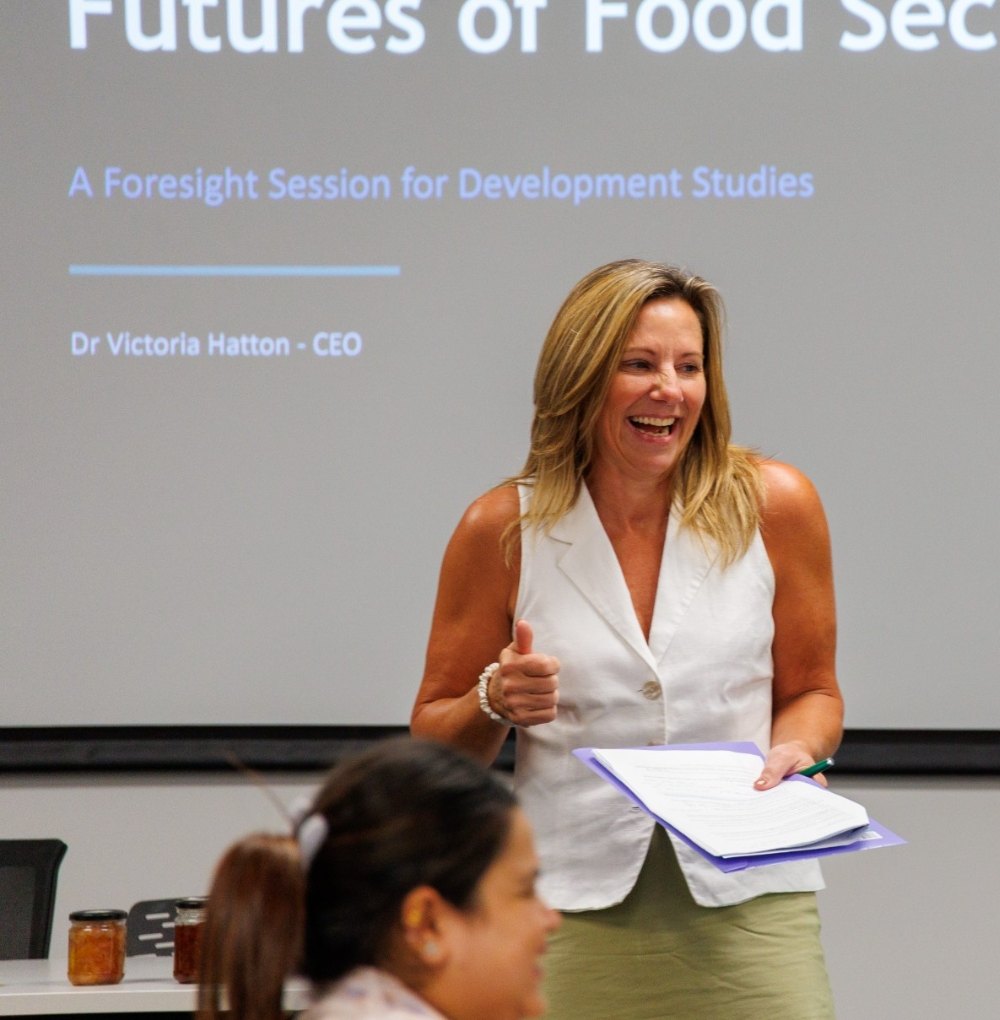
That is the work here. Not prediction, and not another workshop that
ends in a photograph of sticky notes. Structured foresight that
narrows uncertainty enough to act, held to an accountability horizon
of one investment cycle rather than a comfortable 2050.
I do this work across sectors, and my deepest experience is in food,
fibre, trade and climate, where the pressure has arrived earliest and
the value question is sharpest. The method travels. The habit of
deciding on purpose is not sector specific.
Leaders rarely get certainty before they need to move. The
alternative is acting well without waiting to feel certain, and being
able to show your working when someone asks why. If you cannot see
further ahead than your competitors, you are trading on luck.